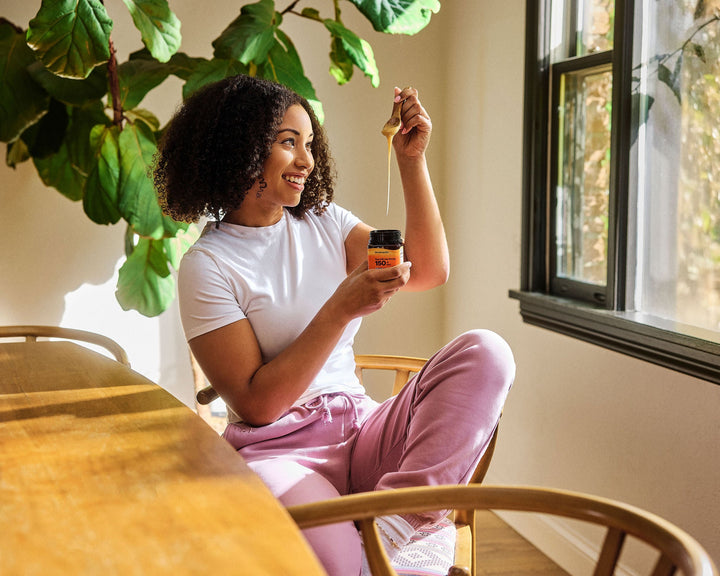
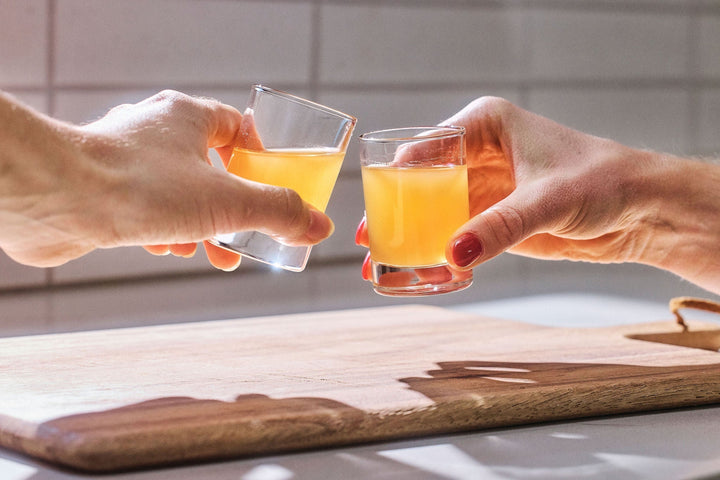
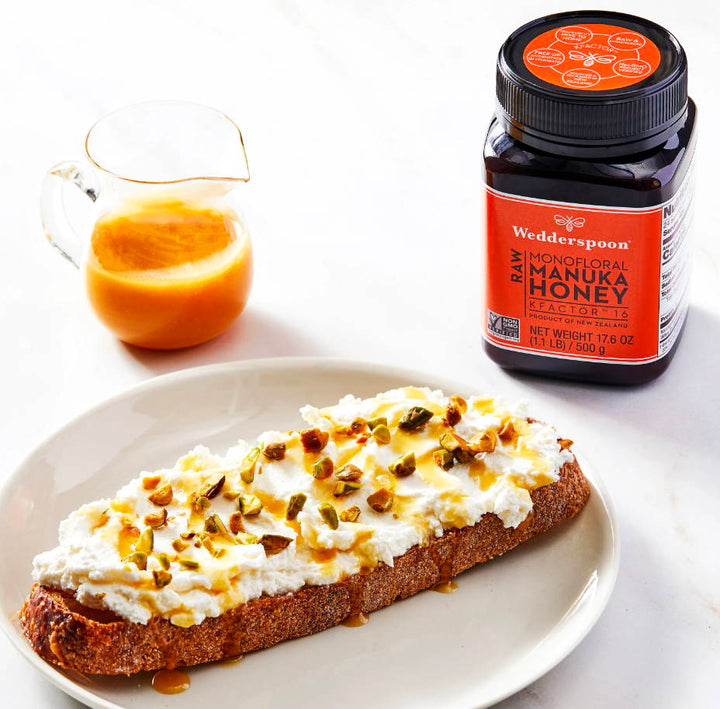
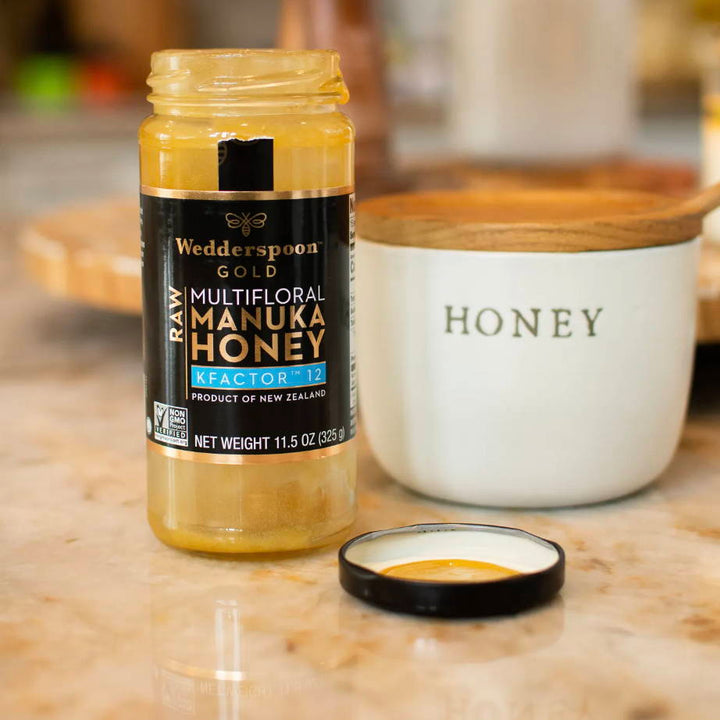
A Mānuka Honey and apple cider vinegar drink is the perfect gut and immune supporting morning beverage, and it only takes about five minutes to make.
Mānuka Honey adds natural sweetness and methylglyoxal (MGO), the compound its potency rating measures. ACV adds a sharp, tart flavor, along with the powerful “Mother,” rich in beneficial bacteria, enzymes, minerals, and nutrients. Wedderspoon's Apple Cider Vinegar is pre-made with Raw Mānuka Honey to really brighten up the extra wellness benefits and let it shine with a sweet-meets-tart.
How to Make the Mānuka Honey and ACV Drink
You need:
- 1 tablespoon of raw Mānuka Honey (MGO 100+ or higher)
- 1 teaspoon to 1 tablespoon of Wedderspoon's Apple Cider Vinegar
- 8–10 oz of warm water
- Optional: a squeeze of fresh lemon or a pinch of cinnamon
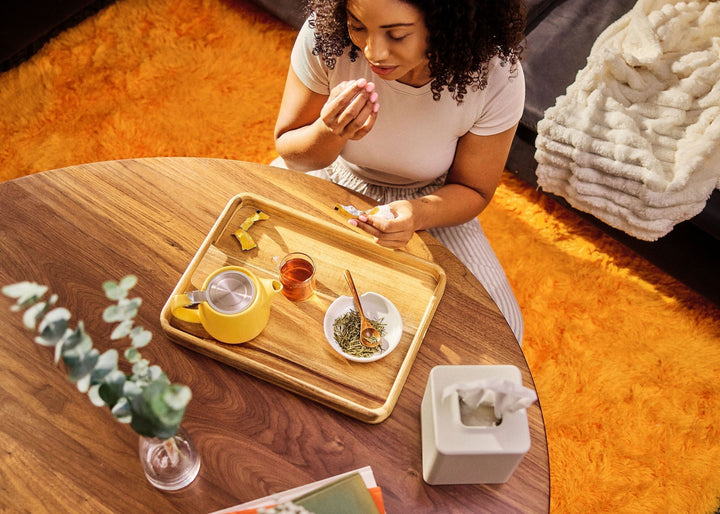
Stir until the honey dissolves, then drink.
If you're new to ACV, start with 1 teaspoon and work up to 1 tablespoon.
Mānuka Honey and MGO: What the Numbers Mean
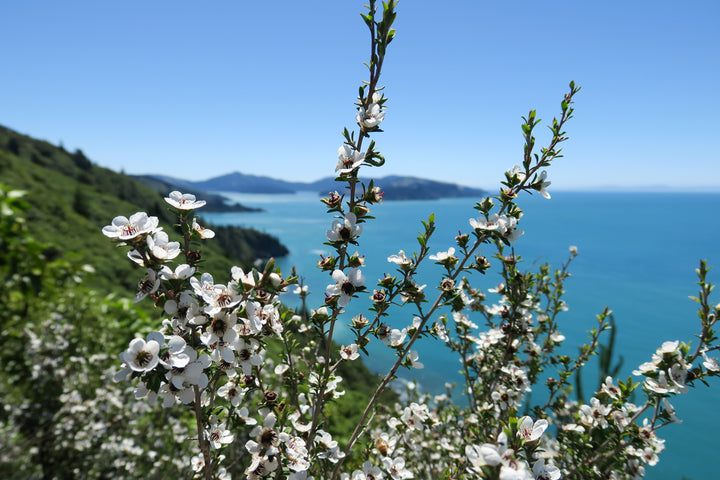
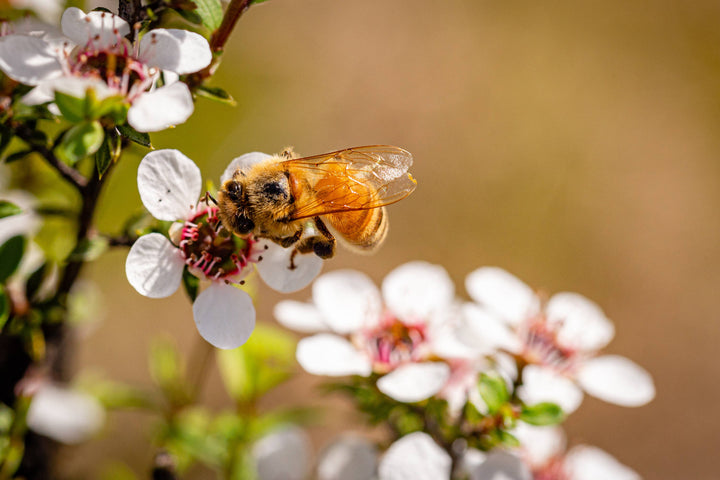
Mānuka Honey comes from the nectar of New Zealand's native mānuka flower. Its best-known compound is MGO, which is associated with Mānuka Honey's antibacterial properties.
An MGO rating gives the concentration of methylglyoxal in the honey. MGO 400+ means the honey contains at least 400 milligrams of methylglyoxal per kilogram. The higher the number, the higher the concentration.
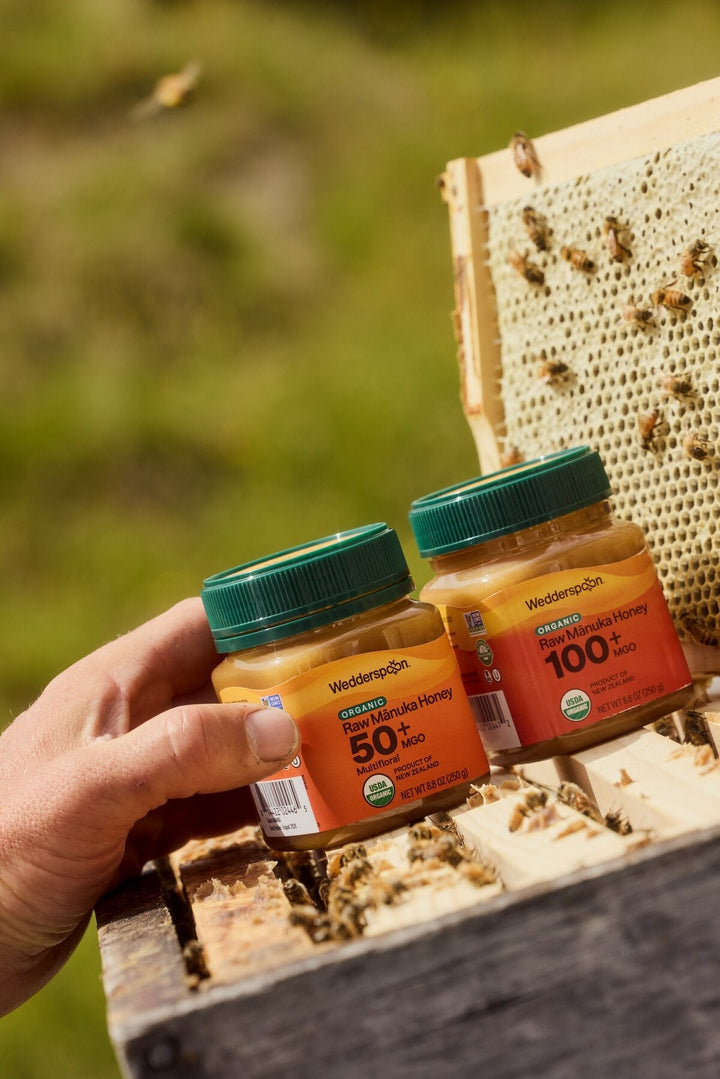
Wedderspoon's Mānuka Honey is sourced from New Zealand, and its MGO content is independently verified. The range covers six MGO levels:
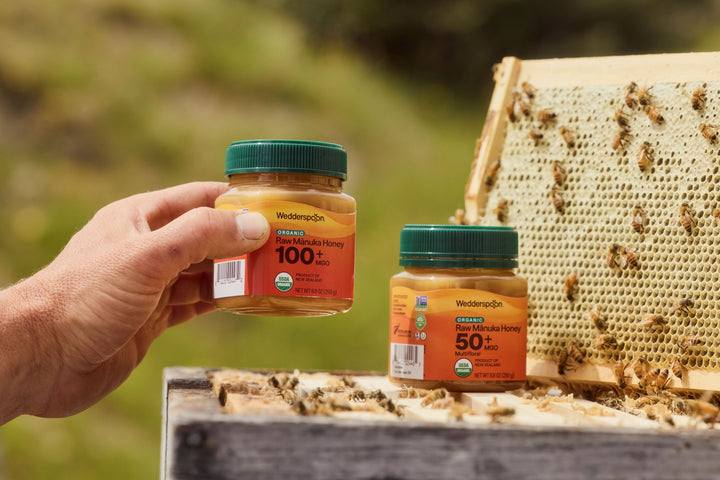
- MGO 50+: Best for everyday enjoyment
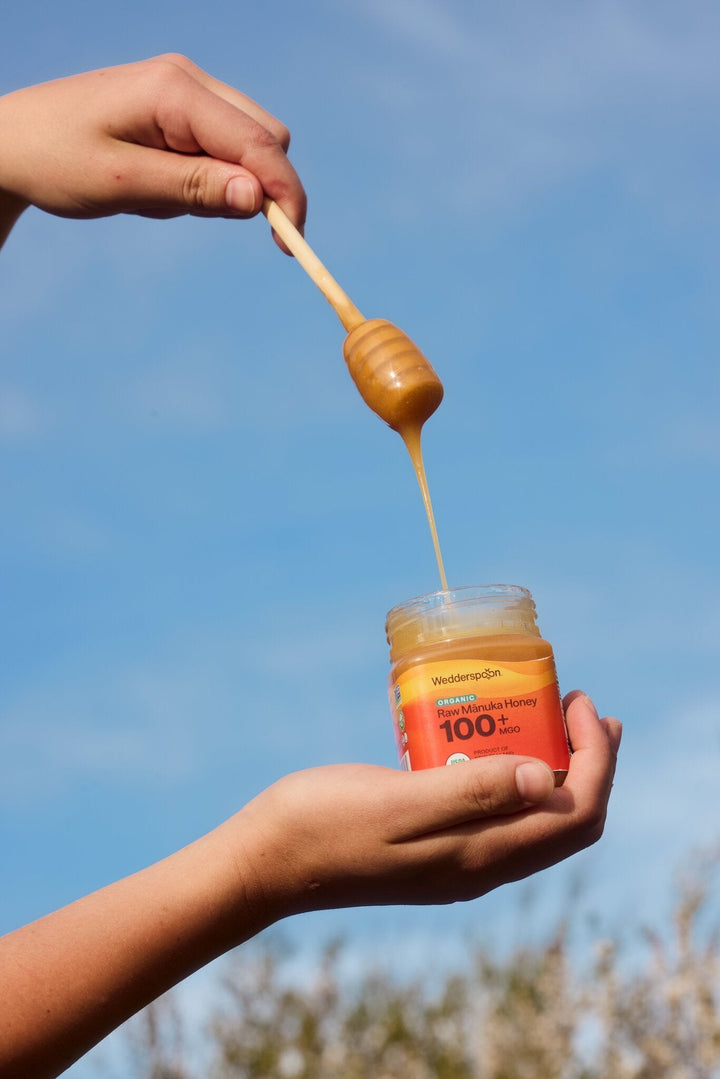
- MGO 100+: Incorporate into your daily meals
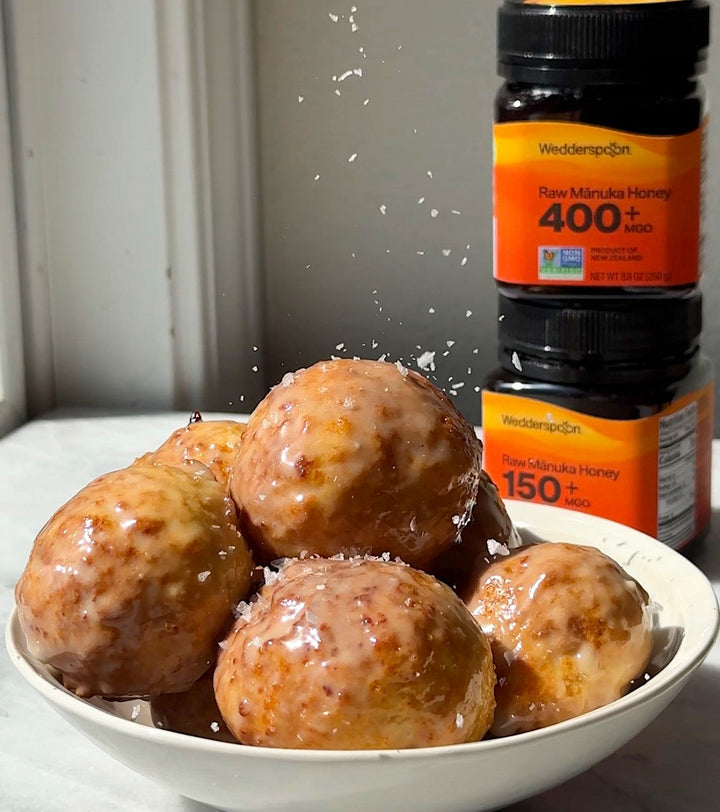
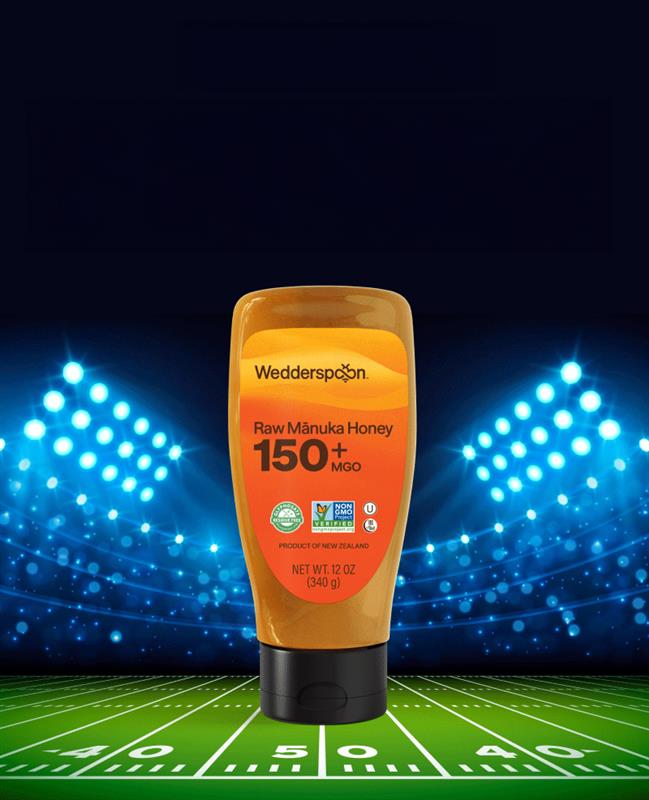
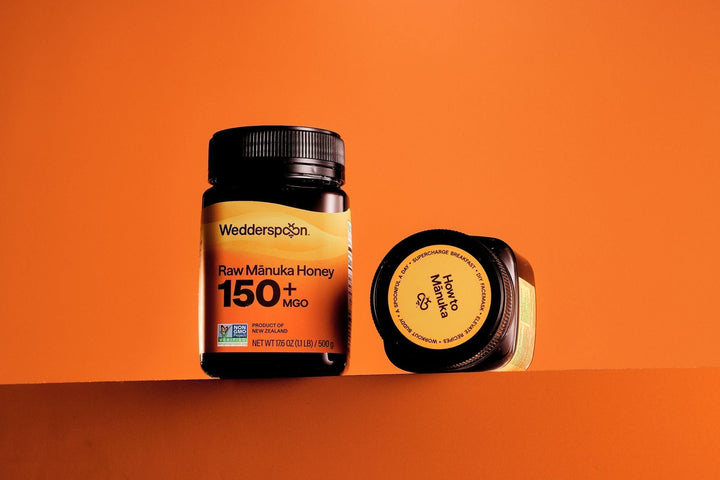
- MGO 150: A step-up for everyday use
- MGO 400+: Higher potency for regular routines
- MGO 850+: High potency for extra wellness support
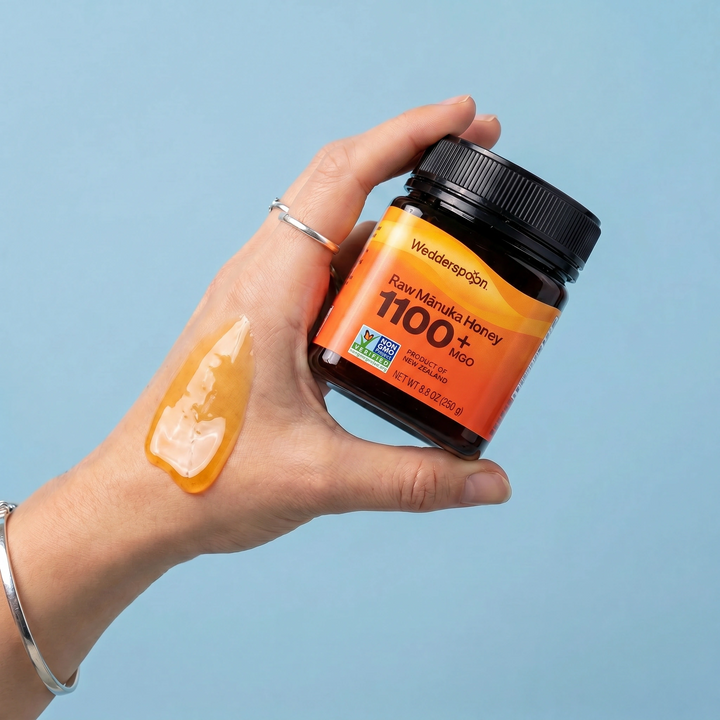
- MGO 1100+: Wedderspoon's highest potency
For this drink, MGO 100+ or MGO 150+ is an easy place to start. If you prefer a higher MGO rating, MGO 400+, MGO 850+ and MGO 1100+ would provide an extra wellness kick.
Apple Cider Vinegar: The Tart Half
ACV is made by fermenting apple juice, which produces acetic acid, the source of its tart flavor.
Raw, unfiltered ACV often contains "the Mother," the cloudy strands you may see in the bottle. It's often described online as a probiotic, and Mānuka Honey is a prebiotic. The best of both worlds to keep your gut feeling it's best!
Why Mānuka Honey and ACV Work Together
The pairing is practical rather than a wellness hack:
- Flavor: Mānuka Honey's sweetness balances ACV's sharpness.
- Dilution: ACV should always be diluted, and honey makes the diluted drink easier to sip.
- Convenience: Both keep in the pantry and mix into warm water in seconds.
- Consistency: A habit that is quick and enjoyable is one you're more likely to keep.
The Shortcut: Wedderspoon Apple Cider Vinegar with Mānuka Honey
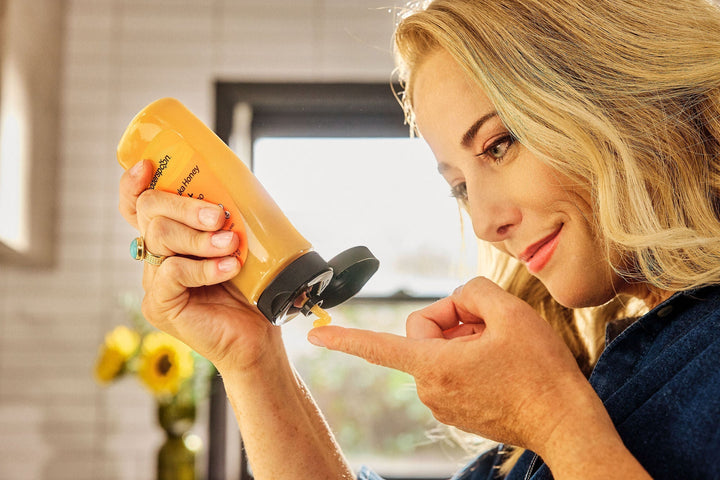
Wedderspoon Apple Cider Vinegar with Mānuka Honey combines apple cider vinegar and Mānuka Honey in one bottle. Dilute it with water for a morning drink, or use it in dressings and marinades.

Tips for Making It Part of Your Routine
Choose quality ingredients. Pick Mānuka Honey that states its origin and MGO rating. For ACV, choose raw and unfiltered, and organic if that matters to you.
Use warm water, not boiling. Comfortably warm water dissolves the honey easily and keeps the drink easy to sip.
Drink it when it suits you. Many routines say to drink ACV first thing on an empty stomach, but there isn't strong evidence that this is necessary. Before breakfast, with breakfast or later in the morning all work.
Protect your teeth. Regular vinegar consumption can affect tooth enamel. Avoid prolonged contact with your teeth and rinse your mouth with water afterward.
Check with your healthcare provider. Before making ACV a regular habit if you have acid reflux, digestive sensitivities or a health condition, or take medication.
Other Ways to Pair Mānuka Honey and ACV
- Salad dressing: Whisk Mānuka Honey and ACV with olive oil, mustard, salt and pepper.
- Marinades: The sweet-tart balance works with chicken, vegetables and other savory dishes.
- Wellness shots: Use smaller amounts of each with water, lemon or ginger for a concentrated sip.
Mānuka Honey also works on its own: by the spoonful, stirred into warm drinks, or drizzled over yogurt or oatmeal.
Frequently Asked Questions About Mānuka Honey and Apple Cider Vinegar
Can you mix Mānuka Honey and apple cider vinegar?
Yes. Mix them with warm water to make a sweet-tart drink. ACV is highly acidic, so dilute it rather than drinking it straight.
What does MGO mean in Mānuka Honey?
MGO stands for methylglyoxal, a naturally occurring compound in Mānuka Honey associated with its antibacterial properties. The MGO number is its concentration in milligrams per kilogram of honey.
What MGO level is best for a Mānuka Honey and ACV drink?
There is no single right level. MGO 100+ and MGO 150+ are easy starting points for a daily drink. Wedderspoon's range runs from MGO 50+ to MGO 1100+, so you can choose a higher MGO rating if you prefer extra wellness support.
What is Wedderspoon's highest-potency Mānuka Honey?
MGO 1100+ (maximum sunshine), followed by MGO 850+. Both are made from New Zealand Mānuka Honey with independently verified MGO content.
Should you drink Mānuka Honey and ACV on an empty stomach?
You don't have to! Many online routines recommend an empty stomach, but there isn't strong evidence that the timing matters. Choose a time that's comfortable for you.
Can I drink Mānuka Honey and apple cider vinegar every day?
For many people, diluted ACV can fit into a regular diet, but tolerance varies. Keep it diluted and moderate. If you have a digestive condition or take medication, speak with a healthcare professional first.
The Bottom Line
A Mānuka Honey and apple cider vinegar drink takes five minutes and two pantry ingredients. Mānuka Honey brings sweetness and MGO, and ACV brings tartness and acetic acid. Kept diluted, it is a simple habit that is easy to stick with.
Explore Wedderspoon's Mānuka Honey range, from MGO 50+ to MGO 1100+, and Wedderspoon Apple Cider Vinegar with Mānuka Honey.
Share this post