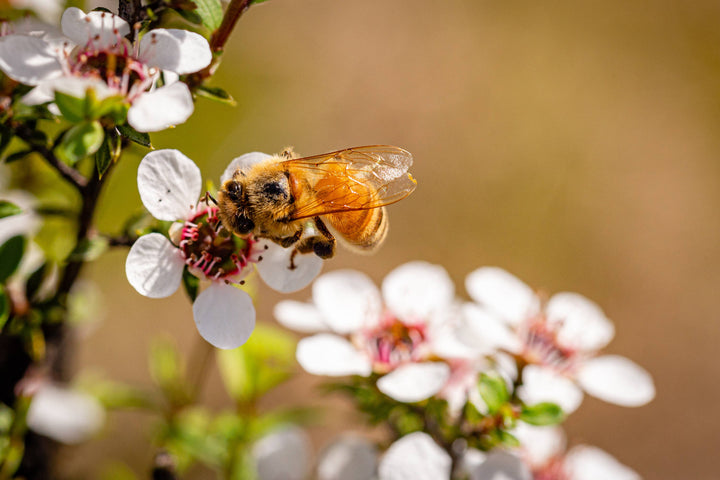
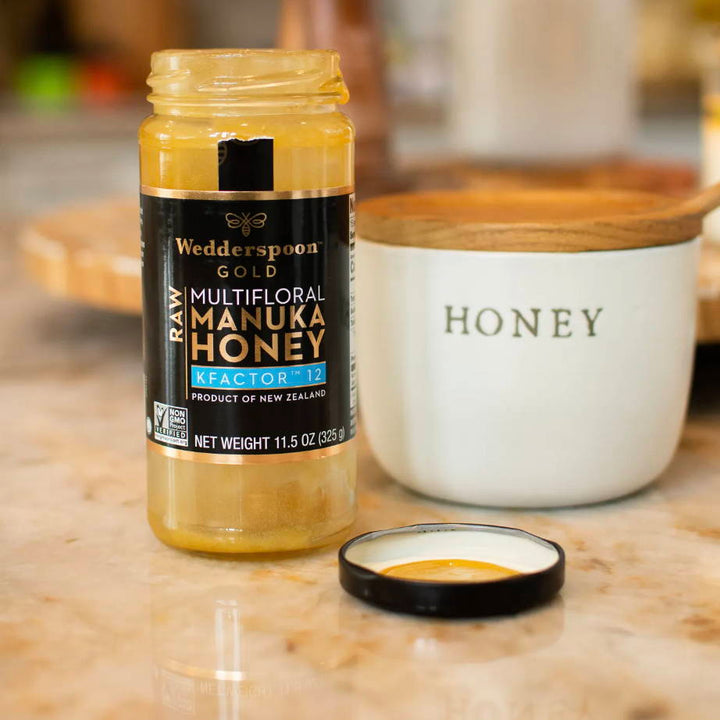
Mānuka Honey comes from the nectar of New Zealand's native Mānuka shrub (Leptospermum scoparium). Like all honey, it has natural antibacterial properties, but Mānuka stands out because of a compound called methylglyoxal, or MGO, found at much higher levels than in regular honey.
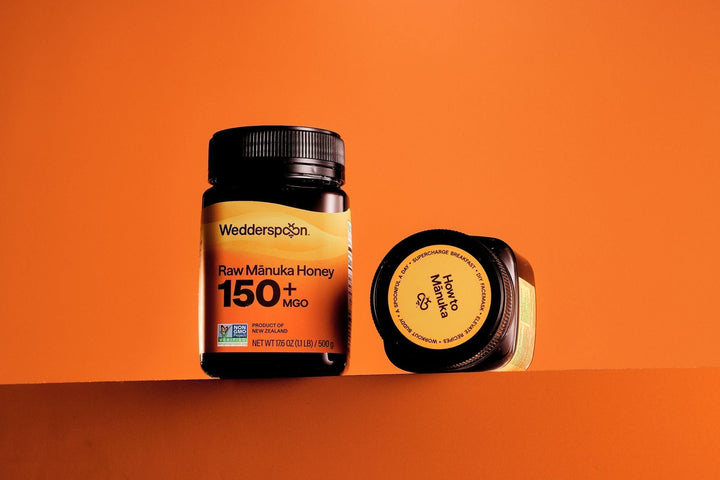
Most honeys get their antibacterial activity from hydrogen peroxide, which breaks down fairly easily with heat, light, or time. MGO is different — it's a stable compound, which is part of why Mānuka Honey's natural properties hold up better over time than a typical jar of honey in your pantry. That's the reason you'll see an MGO __+ number on the label: it's a straightforward way to measure how much of that compound is present.
Raw, Unpasteurized, and What That Means for the Gut
Raw, unpasteurized Mānuka Honey contains natural oligosaccharides — a type of prebiotic compound that may help feed some of the beneficial bacteria already living in your gut. It's worth being precise here: a prebiotic isn't the same thing as a probiotic. There's no live bacteria added to the honey; it's simply a potential food source for bacteria already present in your gut. The research on this is still developing, mostly early-stage and lab-based, so we describe it as something honey may contribute to as part of an overall diet, not a guaranteed digestive benefit.
Because it's raw and unpasteurized, Mānuka Honey also retains natural enzymes and antioxidants that get stripped out of many honeys during heat processing.
Antioxidants and Everyday Wellness
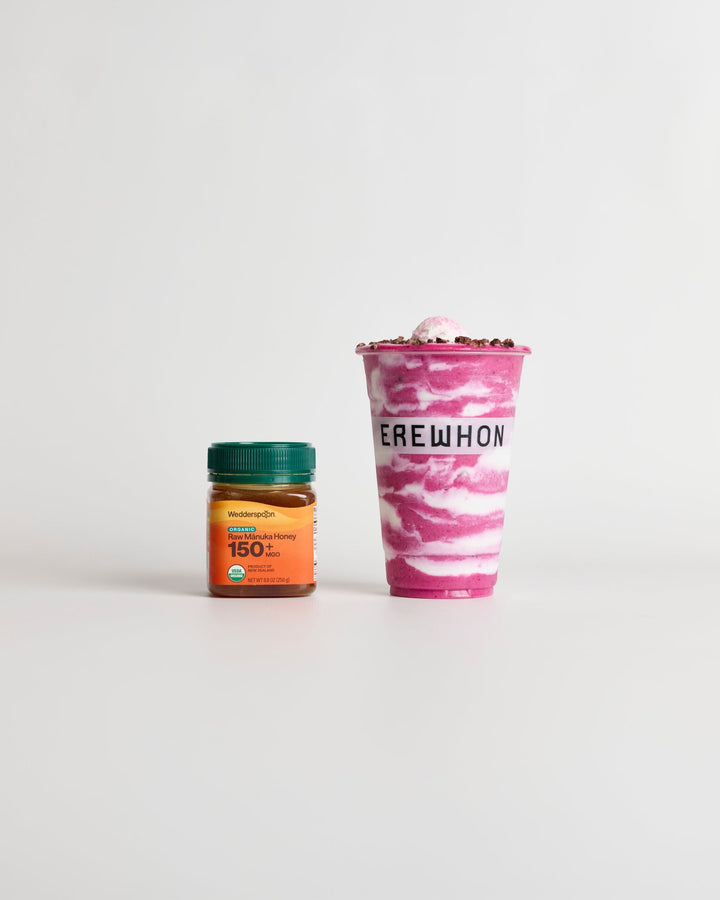
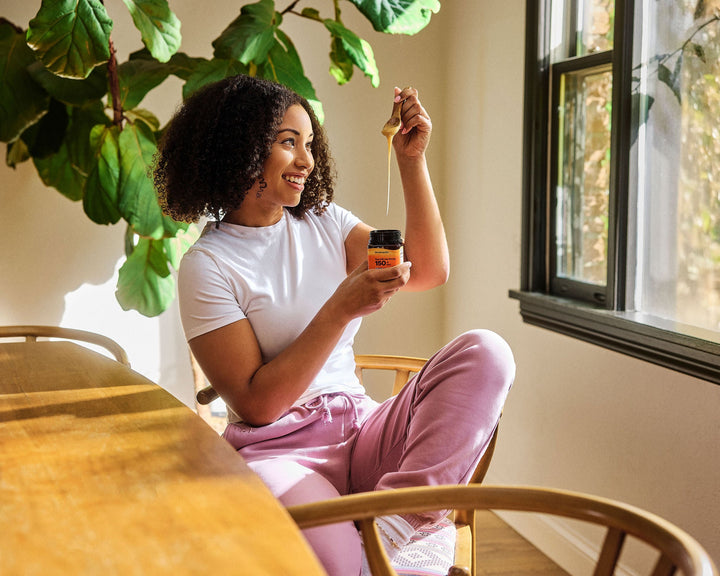
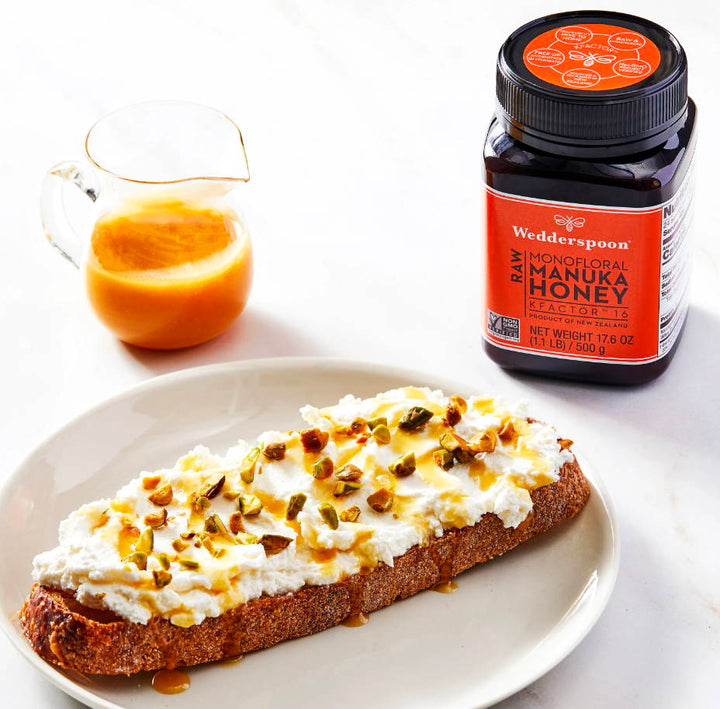
Mānuka Honey contains antioxidants, including polyphenols and flavonoids, which are compounds generally understood to help the body manage everyday oxidative stress. Many people simply enjoy adding a spoonful to tea, smoothies, or toast as part of a regular routine, alongside a balanced diet, because of its natural antioxidant content — not as a treatment or preventive measure for any illness.
Choosing Your MGO Level
Wedderspoon offers Mānuka Honey across a range of MGO levels, so you can pick based on your own routine:
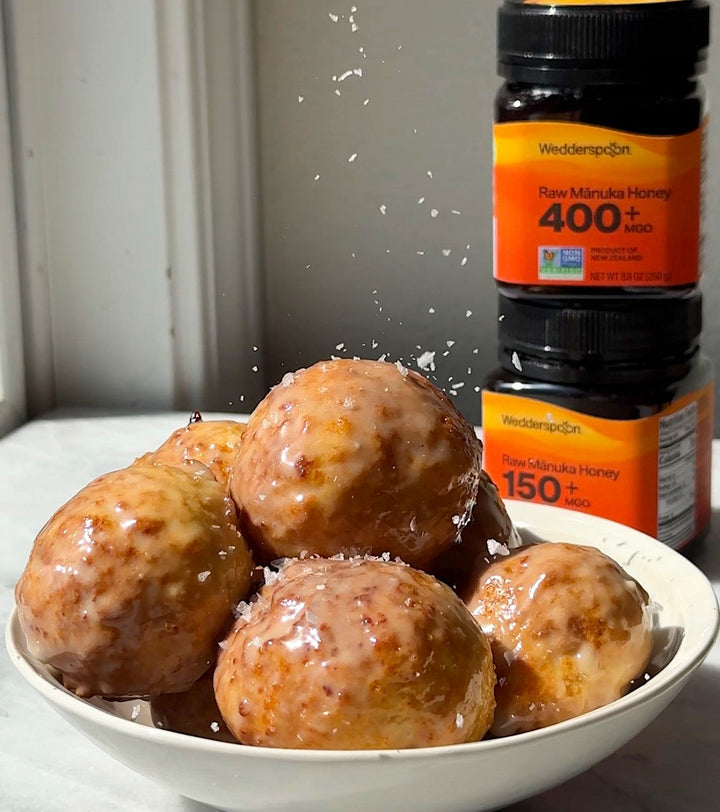
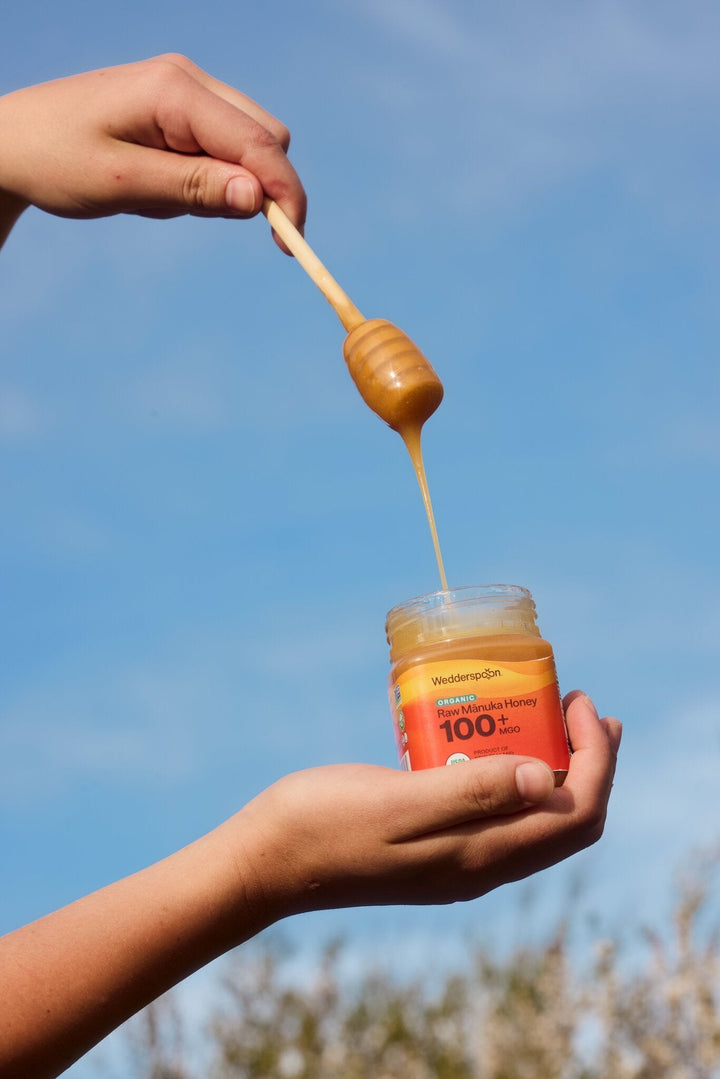
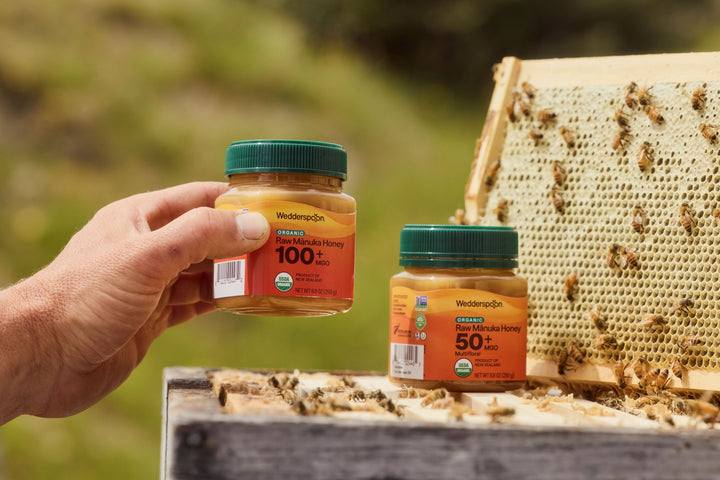
- MGO 50+ and MGO 100+: Everyday options for tea, smoothies, and recipes
- MGO 150+: A step up in concentration for those who want more of the naturally occurring compounds
- MGO 400+: A popular mid-strength choice and a common starting point for people who want a more concentrated honey without going to the top of the range
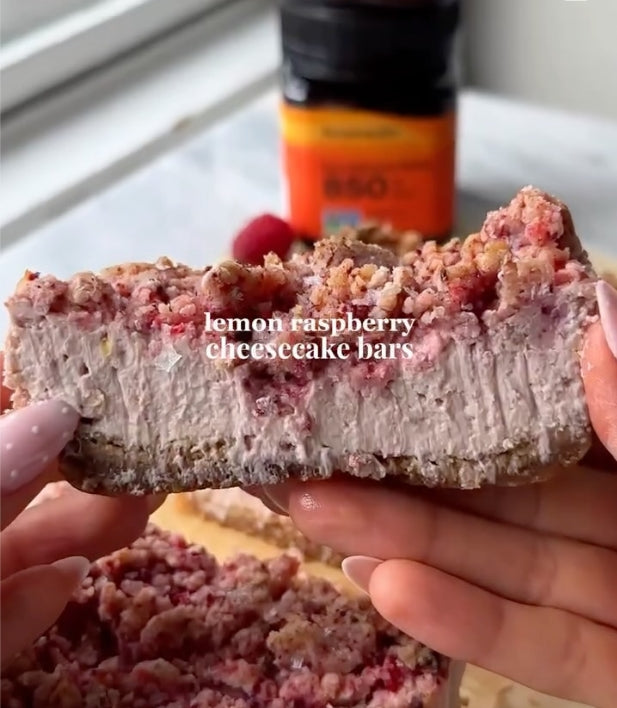
- MGO 850+: Higher potency, with a greater concentration of MGO and the antioxidant compounds that come with raw honey
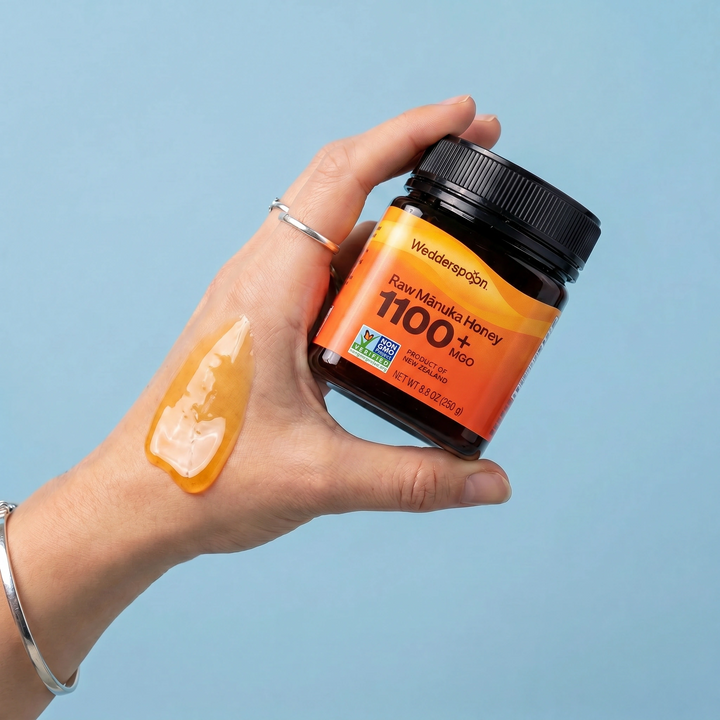
- MGO 1100+: The most concentrated option in the lineup
Higher MGO simply means a higher measured concentration of that naturally occurring compound. It doesn't mean a stronger immune or digestive effect — the research doesn't support that kind of scaling — so there's no "wrong" choice here. It really does just depend on your routine and preference.
The Wedderspoon Difference
At Wedderspoon, we bring you raw, unpasteurized Mānuka Honey sourced from New Zealand. Every batch is third-party tested for MGO content and purity. We respect the Mānuka shrub and the ecosystems that support it, and we want every jar to reflect that.
Key Takeaways
- Mānuka Honey's high MGO content gives it more stable natural antibacterial properties than regular honey, which tends to rely on a less heat-stable compound
- Raw, unpasteurized Mānuka Honey contains natural oligosaccharides that may help feed some beneficial gut bacteria — early-stage research, not a guaranteed outcome
- Its antioxidant content is why many people include it in a daily routine
- Some people enjoy it in DIY beauty recipes
- Higher MGO levels reflect a higher concentration of Mānuka Honey's natural compounds
FAQ
What does MGO mean in Mānuka Honey? MGO stands for methylglyoxal, a naturally occurring compound responsible for Mānuka Honey's antibacterial strength. It's measured in milligrams per kilogram, so "MGO 400+" means at least 400 mg/kg.
Is Mānuka Honey good for gut health? Raw, unpasteurized Mānuka Honey contains natural oligosaccharides that may help feed some beneficial gut bacteria. The research is still developing, so we describe this as a potential contribution as part of an overall diet rather than a guaranteed digestive benefit.
What MGO level should I choose? It depends on your personal routine and preference. Lower MGO levels (MGO 50+ to MGO 150+) work well for everyday use in food and drinks, while higher levels (MGO 400+ and above) are chosen by people who want a more concentrated honey. Higher MGO doesn't mean a stronger health benefit — it simply reflects a higher measured concentration of the compound.
Is Mānuka Honey safe for babies? No. Honey of any kind, including Mānuka Honey, should never be given to infants under 12 months.
This content is for general informational purposes and isn't medical advice. If you have specific health questions or conditions, please talk to a healthcare provider.
Share this post