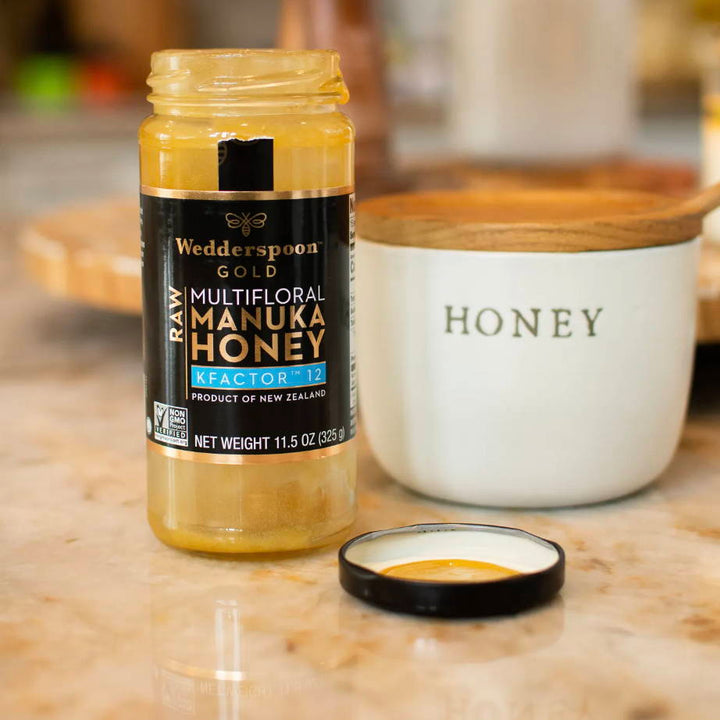
We get asked a lot about what makes Wedderspoon different. The honest answer starts with a problem we couldn't ignore: glyphosate — the world's most widely used herbicide — has been showing up in honey. Including honey labeled as "natural."
We built our sourcing and certification approach specifically to address this. Here's what we found, what we did about it, and why we think it matters.
Glyphosate in Honey Is a Real Problem
Internal FDA documents obtained through a 2016 Freedom of Information Act request showed that agency scientists found glyphosate residues in every honey sample they tested. Some samples reached 107 parts per billion — more than twice the EU's legal maximum of 50 ppb. A 2015 study by independent research firm Abraxis found residues in 41 of 69 U.S. honey samples, with a mean level of 64 ppb. A Canadian government study found residues in 98% of samples tested.
The reason this is hard to avoid comes down to how bees work. Honeybees forage within a one-to-three-mile radius of their hive — and sometimes much farther. That means even hives on certified organic land can draw from neighboring conventional farms, treated roadsides, or agricultural runoff. Glyphosate also drifts in wind and persists in soil well beyond where it was applied. Hive location and finished-product testing both matter, and most honey brands do neither with any rigor.
What We Do Differently
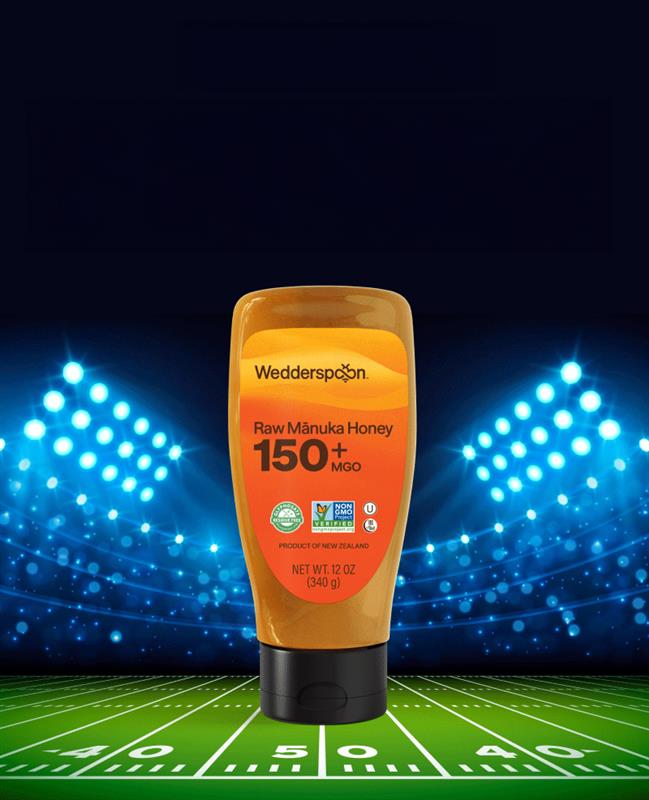
Every jar of Wedderspoon honey, across our entire range, is Glyphosate Residue Free Certified by The Detox Project. That means every production run is independently submitted to an accredited laboratory and confirmed to contain no detectable glyphosate residue down to government-recognized limits of detection. You can verify our certifications publicly at detoxproject.org. This isn't a claim on our label; it's a third-party result you can look up.
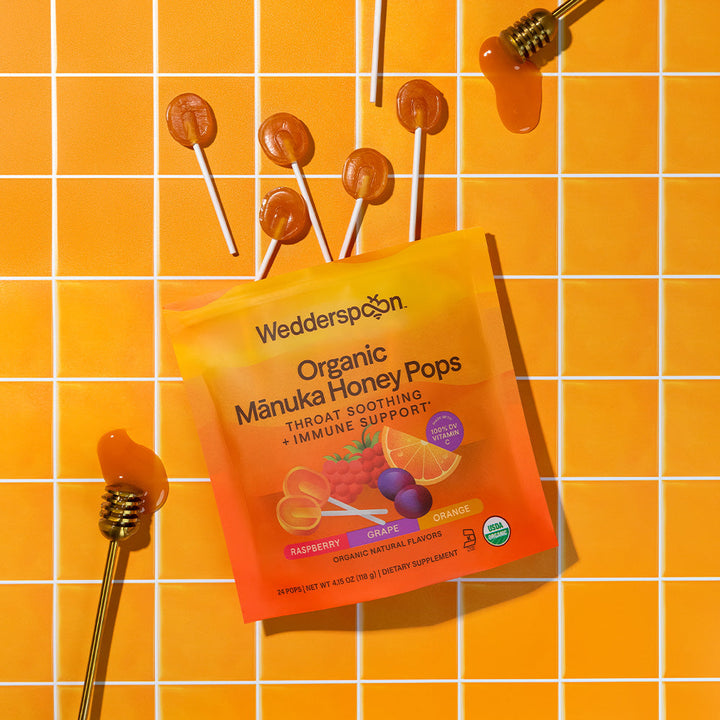
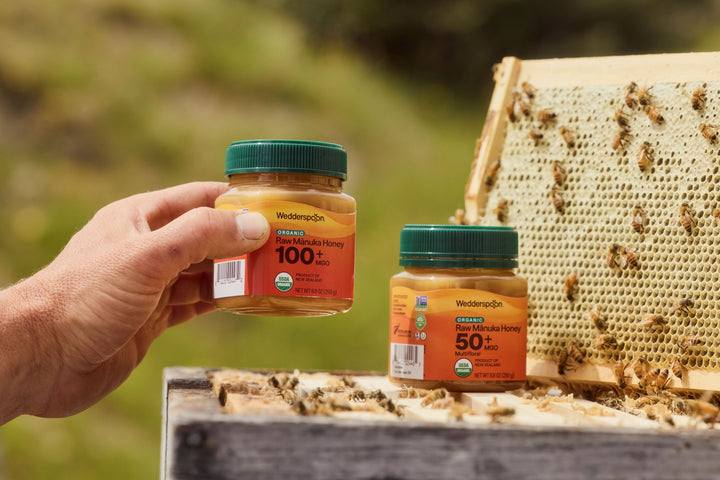
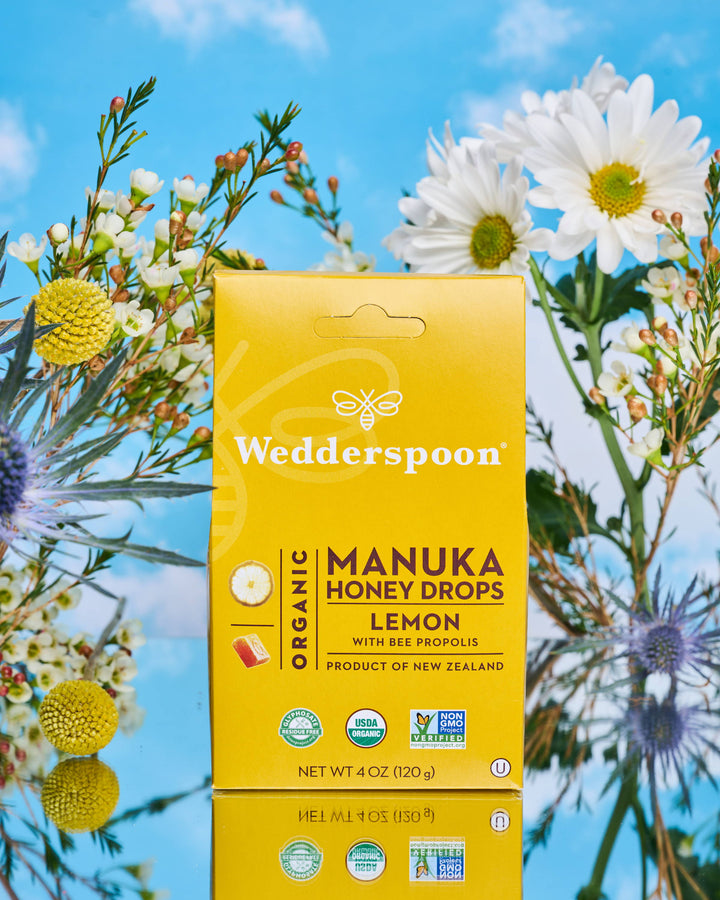
We also offer a full line of USDA Certified Organic Mānuka Honeys — the first USDA Certified Organic Mānuka honey available in the U.S. USDA Organic certification prohibits synthetic pesticides and herbicides from use on certified land and requires annual on-site audits by accredited third-party certifiers. Our organic products carry both certifications: organic farming practices verified by auditors, and finished-product residue testing verified by a lab.
For those not shopping our organic range, our non-organic honeys still carry the Glyphosate Residue Free certification. Every batch, tested, every time.

Why We Source from New Zealand's South Island
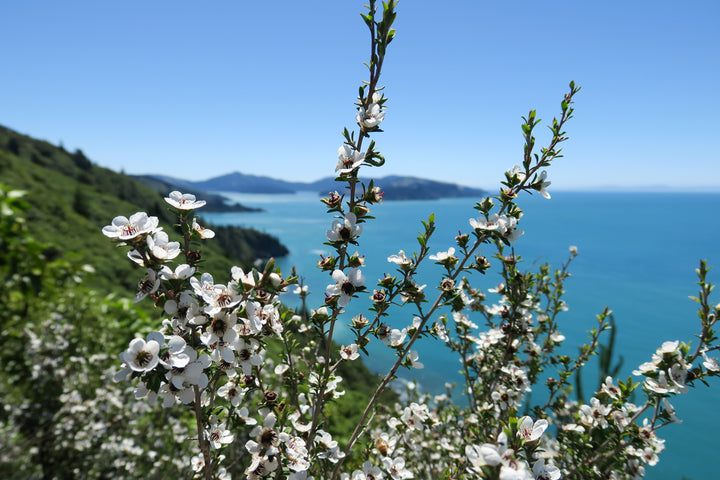
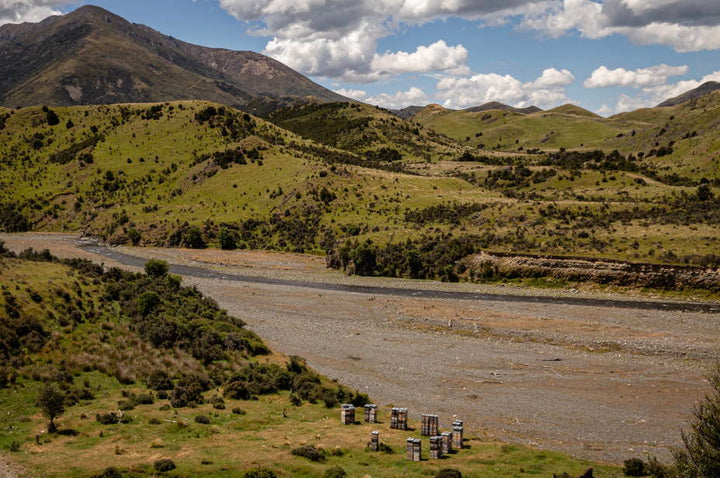
Location is part of our approach too. Our hives are placed in the remote mountain landscapes of New Zealand's South Island — far from intensive agricultural areas where glyphosate use is heaviest. This doesn't replace testing, but it meaningfully reduces baseline exposure before a single test is run. The geography of where our bees forage is part of why our testing keeps coming back clean.
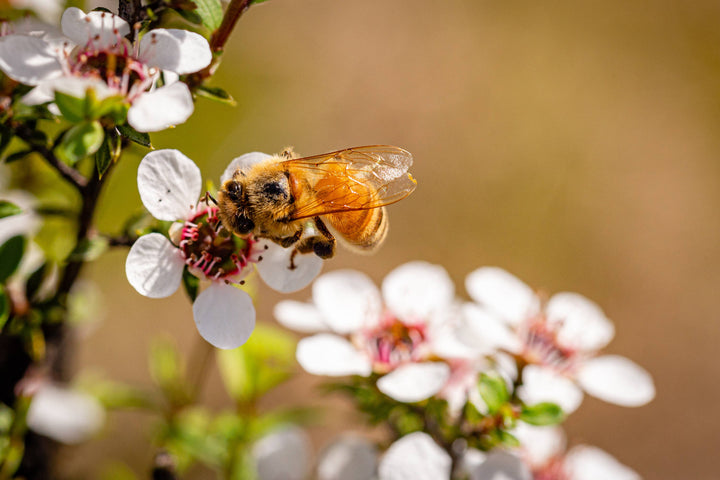
This is also where Mānuka grows. The Leptospermum scoparium bush, native to New Zealand, blooms for roughly two to six weeks per year, giving bees a narrow window to collect its nectar. That rarity, combined with the remote locations where the plant thrives, is part of what makes genuine Mānuka honey distinct.
Understanding Our Mānuka Range
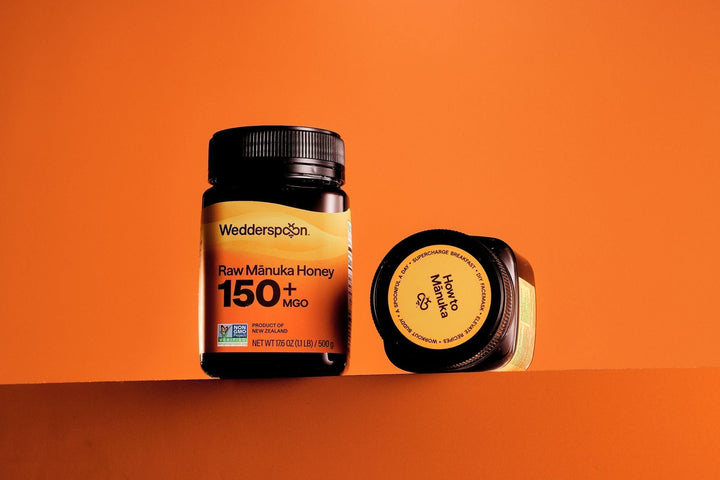
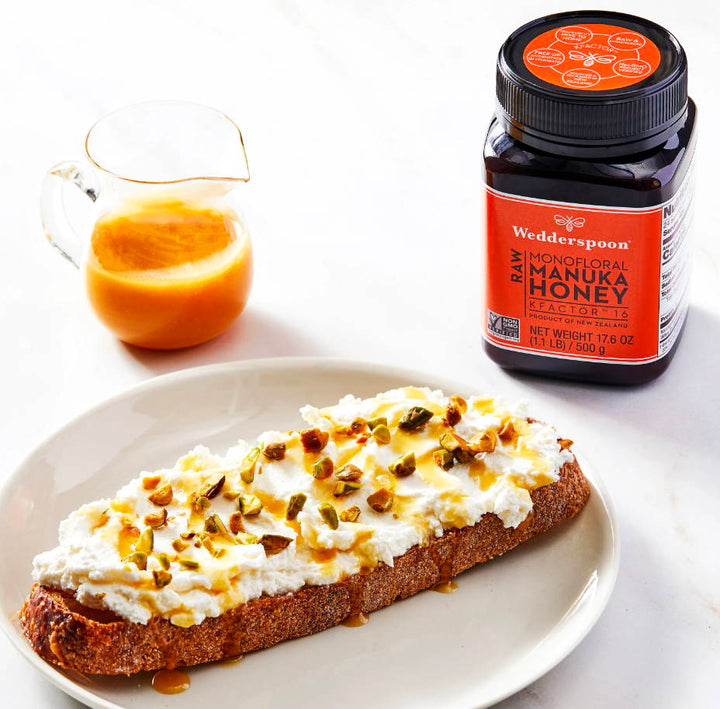
All of our Mānuka honey is independently tested and MGO-rated before it ships. MGO — methylglyoxal — is the naturally occurring compound that gives Mānuka its well-documented properties, and it's what separates Mānuka from every other honey on the shelf. The higher the MGO number, the more concentrated it is.
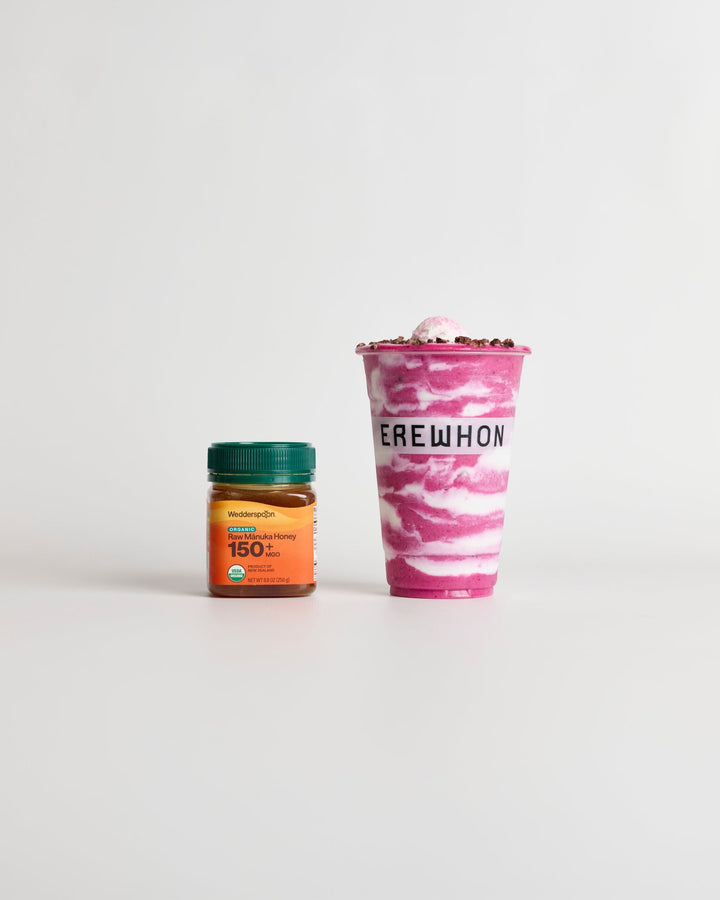
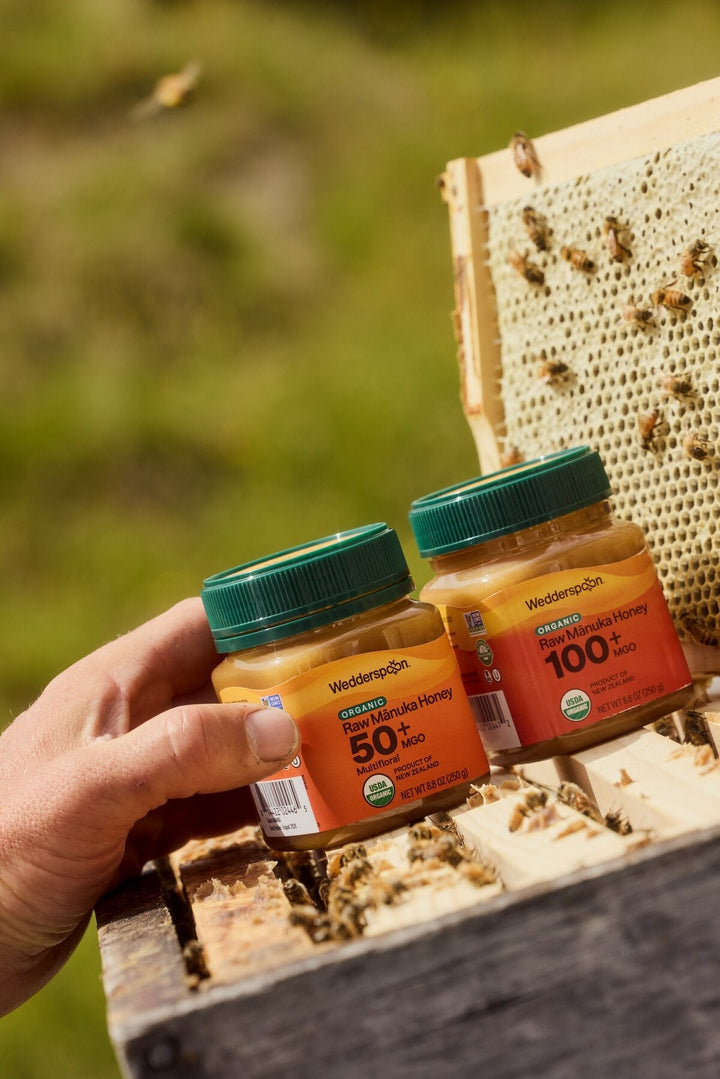
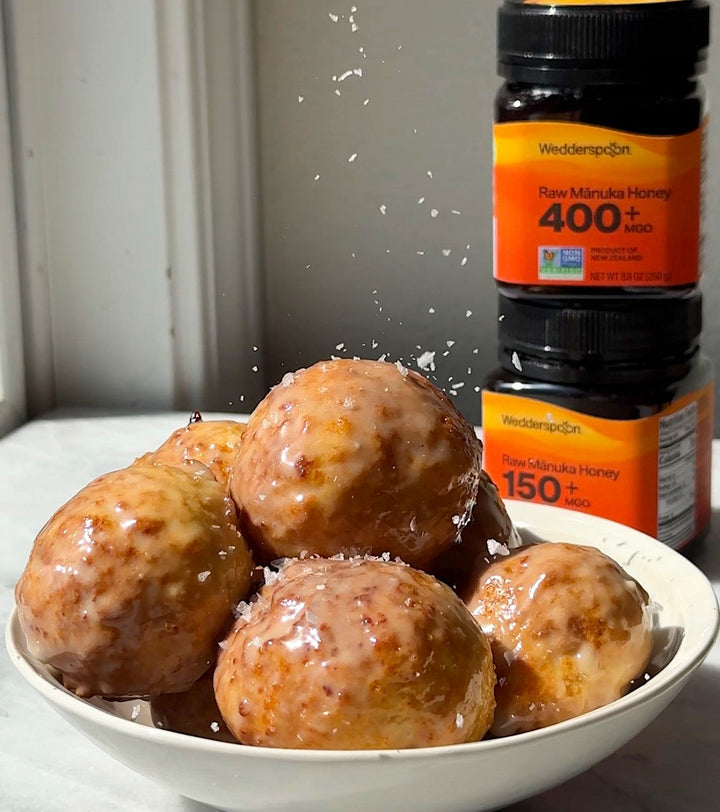
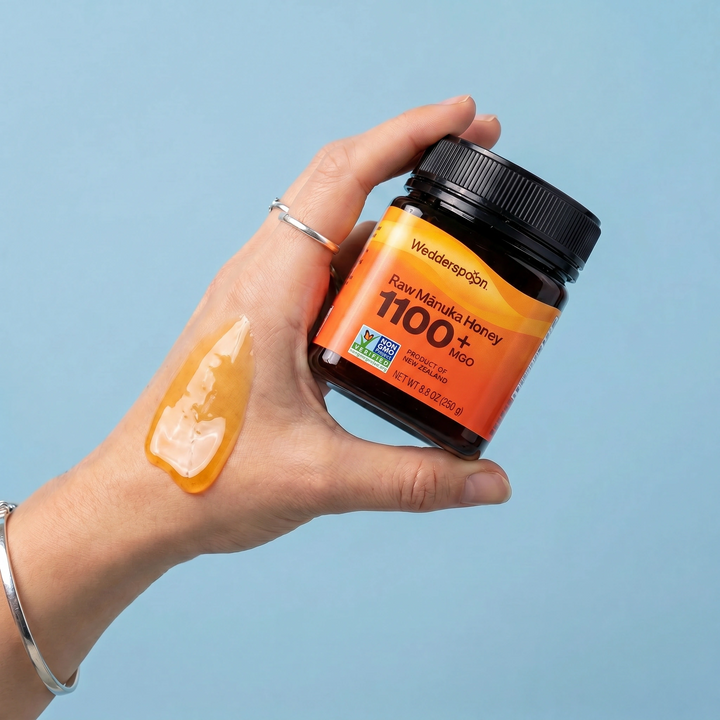
Our range runs from MGO 50+ (a good everyday option) through MGO 150+ and up to MGO 1100+. Monofloral varieties — where bees have foraged predominantly on Mānuka blossoms — carry higher MGO levels. Multifloral varieties include nectar from other plants alongside Mānuka and are a gentler, more accessible entry point. All of it is raw, unpasteurized, and never heated, which matters because pasteurization destroys the enzymes and bioactive compounds that make Mānuka honey valuable in the first place.
What Our Certifications Mean in Plain Terms
Glyphosate Residue Free (The Detox Project) — Every production run independently lab-tested. No detectable glyphosate in the finished product. Verifiable at detoxproject.org. This applies to our entire honey range.
USDA Organic — Farming practices certified free of synthetic pesticides and herbicides, with annual third-party on-site audits. Applies to our organic Mānuka line.
MGO Verified — Independent laboratory confirmation of methylglyoxal content on every batch. The number on the label is verified, not estimated.
Raw & Unpasteurized — Never heated. Living enzymes and bioactive compounds preserved as nature intended.

The Standard We Hold Ourselves To
Most honey on U.S. shelves is tested infrequently, if at all, for glyphosate. Most isn't organic. Most doesn't carry independently verified MGO ratings. We test every production run, source from isolated apiaries, hold USDA Organic certification across our organic range, and make all of it verifiable.
We think that's what the standard should be. We're happy to be held to it.
Sources: FDA FOIA documents, U.S. Right to Know (2016); Abraxis honey testing study (2015); Food Additives & Contaminants, Canadian honey study; USDA National Organic Program; The Detox Project certification standards.
Share this post